
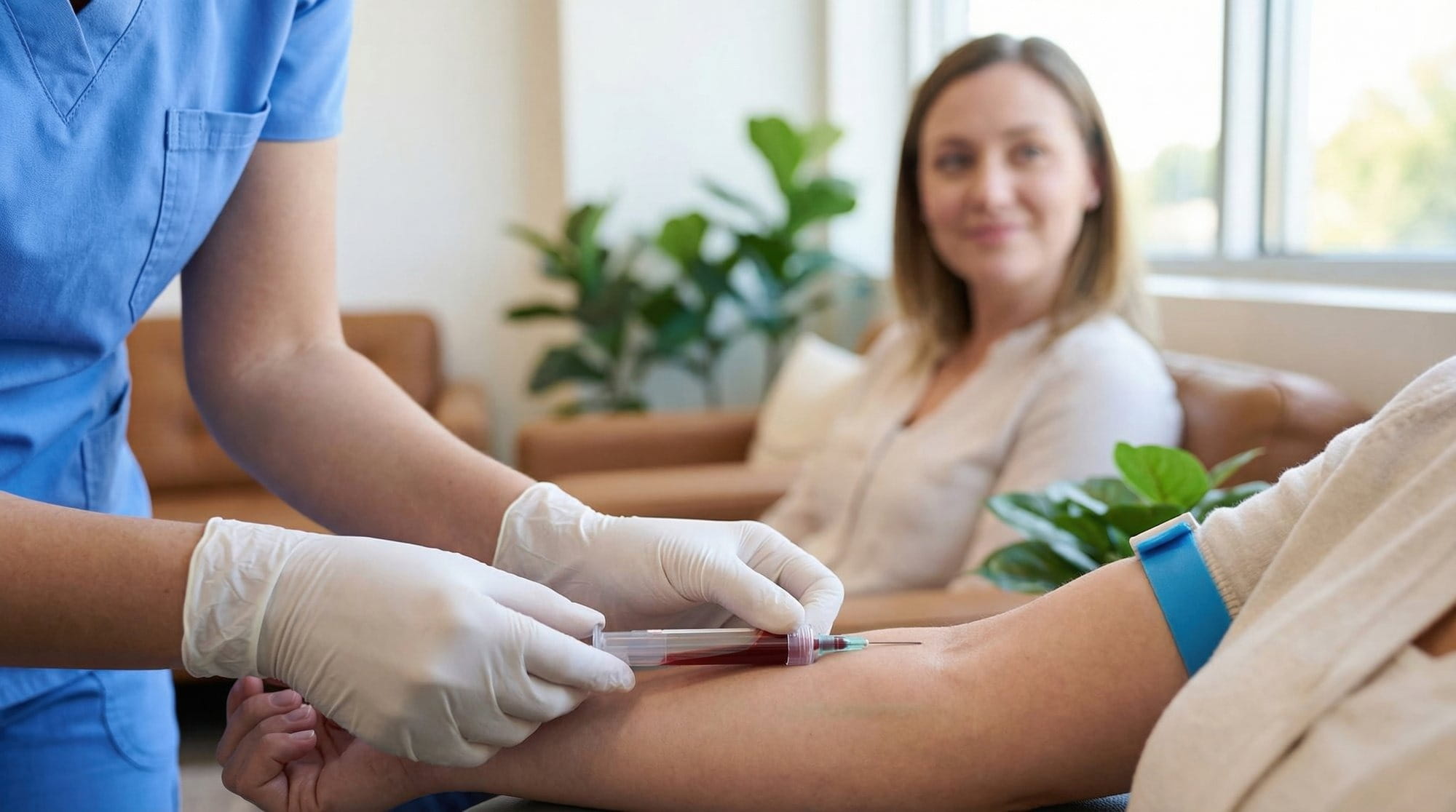
A routine blood test still requires accurate preparation, patient identification, careful tube handling, and timely transport, even when the appointment takes place at your home. By planning the booking, fasting period, urine sample, and appointment window together, you can reduce avoidable delays and decide when home collection fits your needs better than a laboratory visit.
Key takeaways
- Book around your fasting window, wake-up time, and household commitments.
- Confirm whether your test requires fasting and what you may drink.
- Check the collector’s identity, sealed supplies, labels, and sample handling.
- Choose home collection when travel is difficult and the test suits doorstep sampling
Book the appointment around your fasting window and household schedule
Choose the collection date by working backwards from the laboratory’s fasting instruction, then protect that morning from school runs, meetings, or caregiving. A fasting appointment time that fits your last meal and usual wake-up routine is easier to keep than the earliest slot. Home collection removes travel and waiting, not laboratory turnaround time.
- Keep the test order or prescription nearby. Ask whether the requested test is supported by home collection and whether it needs a special tube, rapid processing, or temperature-controlled transport.
- Choose a date when you can remain available for the stated arrival window. Leave time afterward for work, childcare, or travel rather than booking the blood test appointment between two fixed commitments.
- During the home blood collection booking, provide the complete address and phone number. Add building, floor, landmark, access instructions, and a number the collector can reach that morning.
- Confirm the date, fasting appointment time, arrival window, tests requested, payment terms, and how you will receive the report. Save the confirmation message.
Call before booking if the test must be collected at a particular time of day or requires a venous sample instead of a finger-prick sample. A routine home visit is not suitable for severe breathing difficulty, fainting, or other symptoms needing immediate assessment; seek urgent care instead.
Prepare for fasting without guessing what your test requires
Fasting blood test preparation starts with the test order, not a guess. Confirm whether fasting is required, how long it lasts, and whether any medicine needs special timing. A complete blood count, for example, does not automatically require the same preparation as a lipid or glucose test.
- Eat your normal meal before fasting begins, then follow the laboratory’s stated start time. Do not eat snacks, sweets, chewing gum, or drink tea, coffee, juice, milk, or soft drinks during the fasting period.
- Drink only plain water before blood test collection unless the laboratory gives different instructions. Water helps prevent dehydration, which can make a blood draw harder.
- Ask the prescribing clinician about medicines before blood test collection. Do not stop insulin, blood-pressure tablets, or other prescribed medicines unless that clinician tells you to; record the dose and time taken.
- Avoid smoking, alcohol, and strenuous exercise during the preparation window because they can alter some results. Rest before collection.
- For urine sample collection at home, use the supplied sterile container or confirm which container the laboratory accepts. Wash your hands, clean the genital area as instructed, collect a midstream sample without touching the inside of the lid or cup, and seal it immediately.
- Use a first-morning urine sample when requested, especially for tests that depend on a concentrated specimen. Deliver it within the stated time and follow the laboratory’s storage instructions.
Choose home collection when the test and patient are suitable
Routine blood testing at home suits people with limited mobility, transport barriers, caregiving duties, or anxiety about clinic visits. A home sample collection service also works for a stable patient who can provide access to the address and remain available for identity verification.
Home collection is not appropriate for urgent symptoms and blood testing. Severe chest pain, major breathing difficulty, fainting, or signs of stroke require emergency assessment; a blood draw cannot replace it.
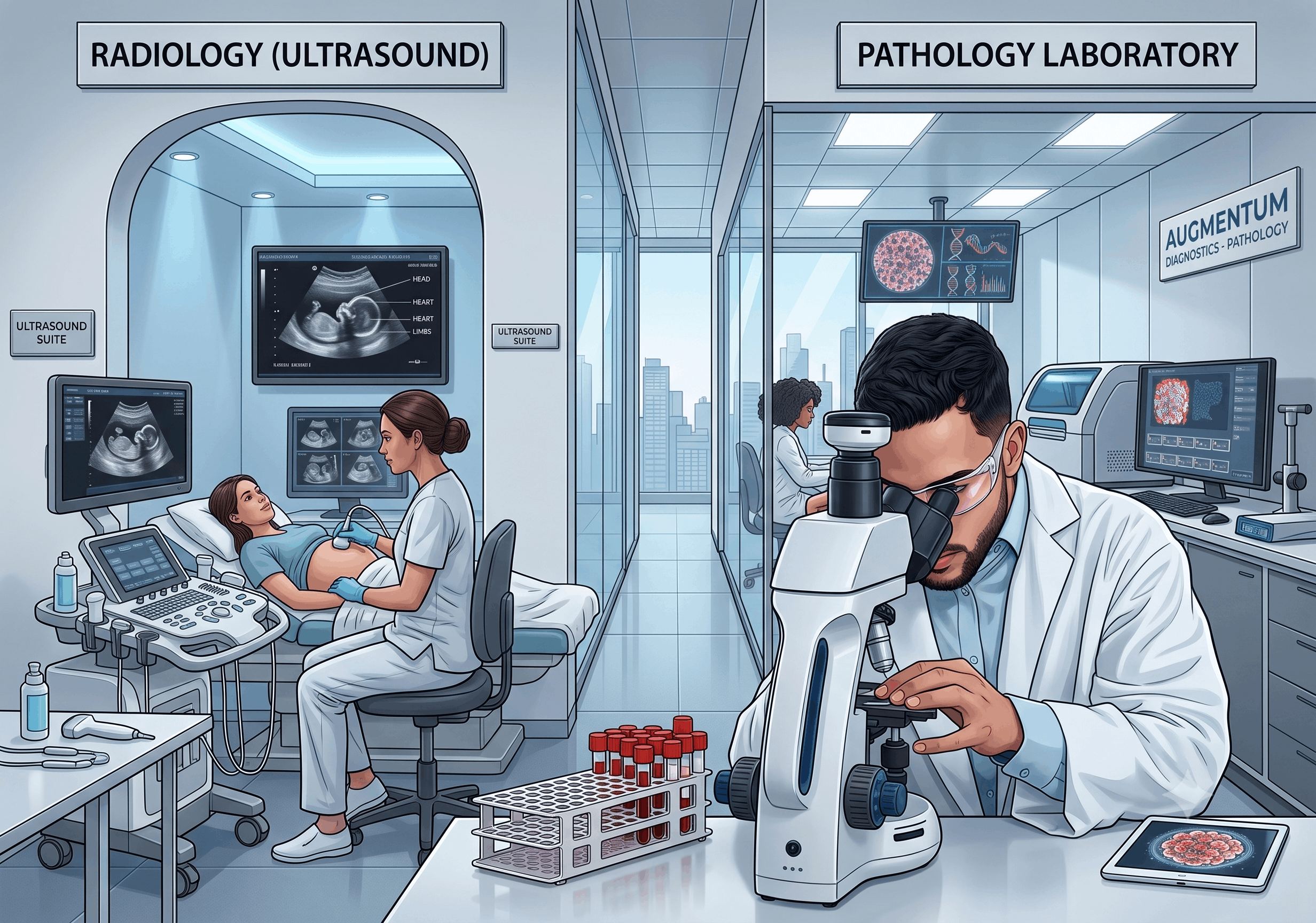
Before arranging a visit with Augmentum Diagnostics, confirm that the requested test fits its home workflow and ask whether fasting, plain-water limits, medicines, or a particular time of day apply. Also check the service fee, appointment window, expected transport time, and whether another person must be present for access or identification.
Those details prevent a convenient appointment from becoming a delayed or rejected specimen.

Comments (0)
No comments yet. Be the first to comment!
Leave a Comment